

GRADE 1-3
DISCOVER - WONDER - CARE - DO
Every conservation journey begins with curiosity.
Junior Conservation Explorers introduces young learners to the extraordinary world of wildlife and nature through discovery, observation, imagination and hands-on learning.
Designed for Grades 1–3, the program encourages children to notice the living world around them, ask questions, explore how animals and habitats meet their needs, and begin understanding that people, wildlife and the environment are connected.
At this age, conservation isn’t about overwhelming children with environmental problems. It is about helping them build something much more important first — connection, curiosity and care.
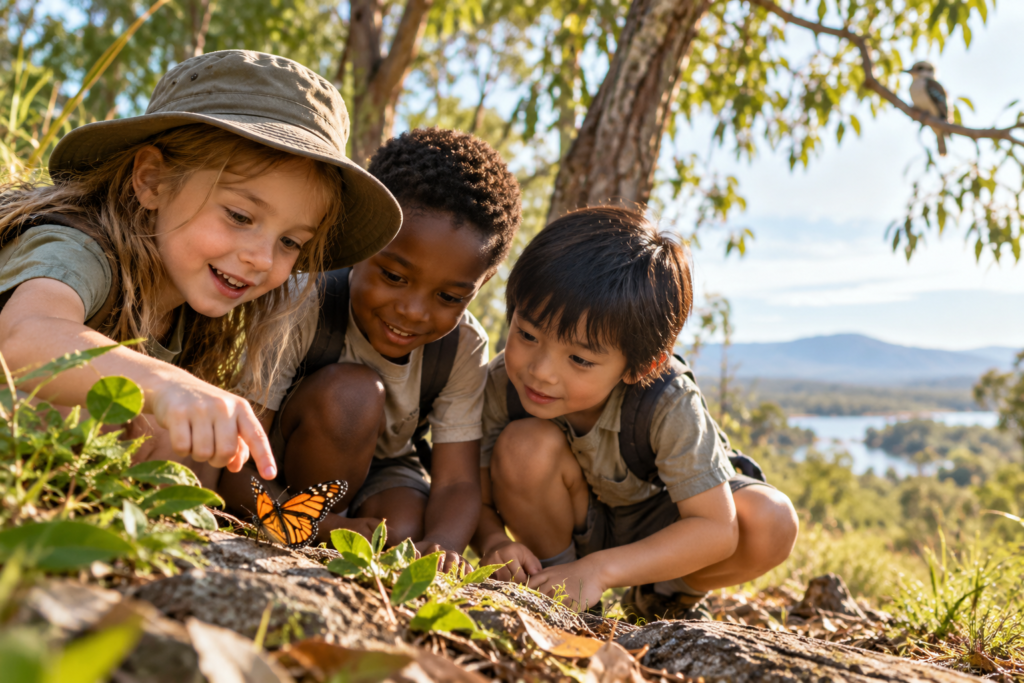
Before children can protect the natural world, they need the opportunity to discover why it is worth protecting.
WHAT YOUNG EXPLORERS DISCOVER
WILDLIFE
Meet animals and discover what makes them special — from how they move and communicate to what they need to survive.
HABITATS
Explore the places animals and plants call home and discover how living things find food, water, shelter and space.
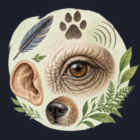
ANIMAL SENSES
Discover how animals use sight, sound, smell, touch and other amazing senses to understand and survive in their world.
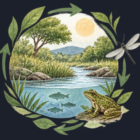
ECOSYSTEMS
Begin exploring how plants, animals, people, water, soil and the environment are connected — and why every part matters.
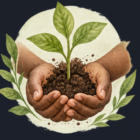
CARING FOR NATURE
Discover how the choices people make can help or harm wildlife and the environment, and why caring for nature matters.
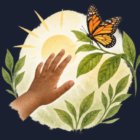
TAKING ACTION
Explore simple things children can do at school, at home and in their community to help wildlife and care for the environment.
LEARNING THROUGH DISCOVERY
Junior Conservation Explorers learn through looking, listening, drawing, discussing, moving, imagining, questioning and exploring.
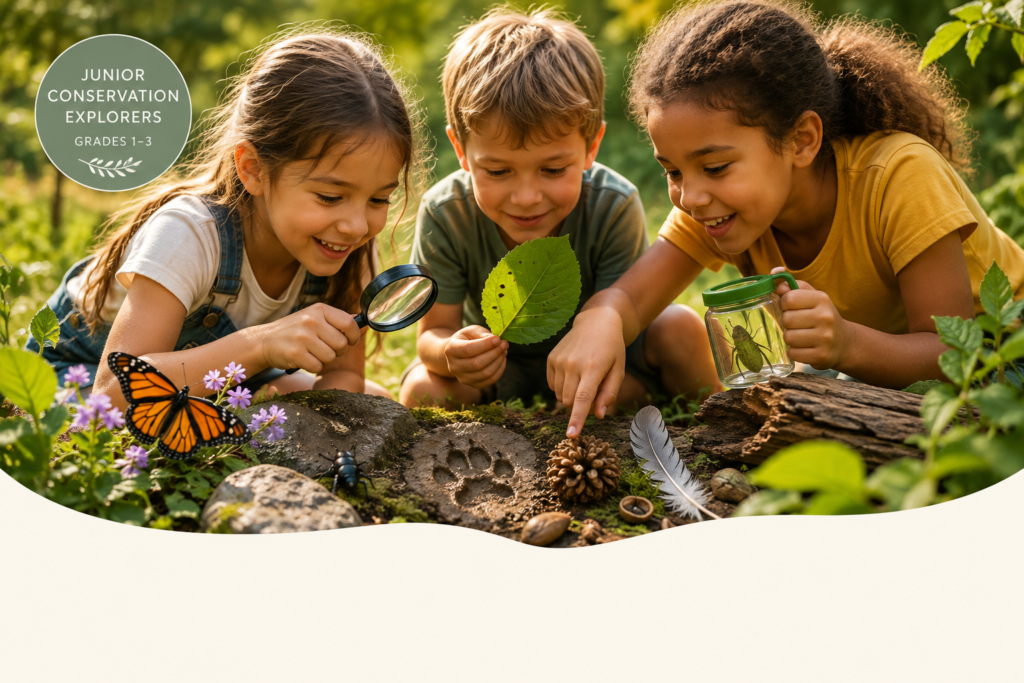
Activities are designed to make conservation tangible and meaningful. A feather, footprint, leaf, bird call, insect, seed or patch of soil can become the beginning of a conversation about the natural world.
Children are encouraged to explore with curiosity, share what they notice and discover that learning about nature can happen almost anywhere.
DISCOVER
Notice the natural world and explore what is around you.
WONDER
Ask questions, become curious and want to know more.
CARE
Build connection, empathy and respect for living things.
DO
Turn care into simple, positive actions.
At this age, the goal is not to have all the answers.
It is to inspire children to keep asking questions.
FOR TEACHERS
Junior Conservation Explorers is supported by an Earth FX Teacher Guide designed to make conservation education practical, flexible and easy to deliver.
Teachers are provided with lesson guidance, discussion prompts, activity ideas, assessment support and practical ways to adapt learning for different abilities, classroom environments and available resources.
You don’t need to be a conservation expert to inspire conservation learning. Curiosity, observation and a willingness to explore alongside your students are enough to begin.
TEACH • EXPLORE • ENCOURAGE • INSPIRE
BEYOND THE WORKBOOK
Learning doesn’t have to finish when the workbook closes.
Junior Conservation Explorers are encouraged to take their curiosity beyond the classroom and discover simple ways to care for the natural world around them.
A child might observe birds in the school grounds, care for a plant, create a small wildlife-friendly space, save water, reduce litter, reuse materials, share something they have learned with their family, or simply begin noticing wildlife they once walked past.
The action doesn’t have to be big. What matters is helping children discover that their choices can make a difference.
SMALL ACTIONS. REAL LEARNING.
CREATE
Plant something, care for a garden or help create a small space for nature.
OBSERVE
Watch local wildlife and notice what animals need to live safely.
PROTECT
Save water, reduce waste and make choices that are kinder to the environment.
MAKE
Draw, build, write or create something that shares a conservation message.
SHARE
Tell a friend, family member or another class something new you have discovered.
CARE
Choose one small thing you can do to help wildlife, plants or the environment.
Every small action teaches a much bigger lesson:
I CAN HELP
When children are given opportunities to act on what they have learned, conservation becomes more than a subject.
It becomes something they can see, feel, share and be part of.
And as children grow, those first small actions can become the foundation for deeper understanding, stronger choices and greater conservation leadership.
THE JOURNEY BEGINS WITH WONDER
Discover the world.
Care about what you find.
Help protect what you love.
Junior Conservation Explorers — Grades 1–3
Discover • Wonder • Care • Do